
It is evident that spiders are attracted to other insects present in homes. Spiders are also attracted to plants as they provide them with shelter. Dense plant species like ivy serve as a viable hiding place for a spider to live and feed. Furthermore, spiders are fond of warmth and shelters where they can peacefully dwell.
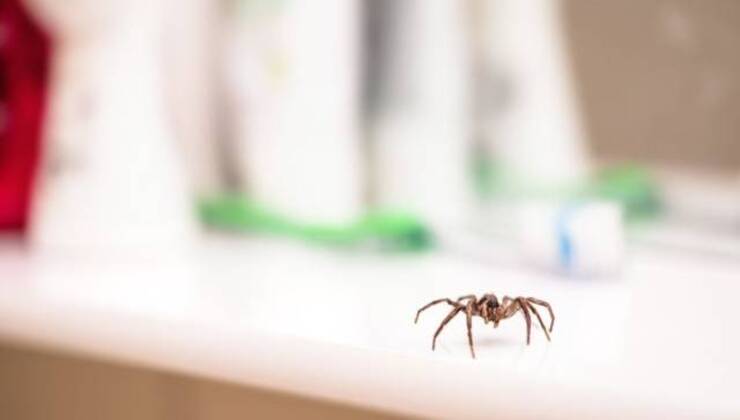
It is advisable to frequently inspect for spider webs among indoor plant branches. Spiders love infiltrating small cracks, so to prevent them from entering the house, you must seal the holes and resort to natural spider repellents.
Spider Diet
Spiders primarily feed on insects, making them carnivorous. These intriguing creatures have a diet that varies depending on their species and the environment in which they live. These eight-legged creatures delight in consuming flies, ants, mosquitoes, cockroaches, crickets, and moths.
There are various types of carnivorous spiders that capture their prey by spinning webs, jumping, digging burrows in the ground, or camouflaging themselves. Spiders produce a substance they use to construct webs and trap their prey. To feed, spiders suck the internal fluids from their prey until they are completely dry.
Some species of giant spiders feed on lizards and frogs, while others are herbivorous, consuming nectar from certain plants. It’s worth noting that spiders can survive for extended periods without food, but once they have consumed a substantial number of prey, they can go without food for weeks.