
Activated charcoal is highly effective at absorbing moisture and odors. You can create a simple charcoal moisture absorber with the following steps:
- Take a plastic container with a lid.
- Use a sharp knife or box cutter to create small holes in the lid.
- Place activated charcoal (collected from a stove or purchased) inside the container.
- Close the container with the perforated lid and put it in the humid room.
- Replace the charcoal every 15 days to maintain its effectiveness.
2. Coarse Salt Moisture Absorber
© Masterfile Royalty-Free
Model Release: No
Property Release: No
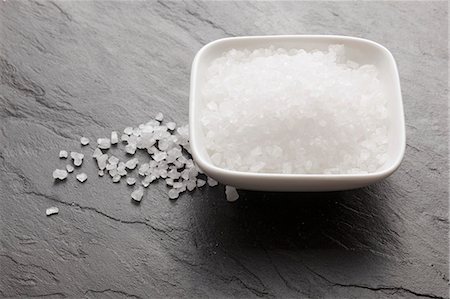
Sea salt in a bowl and on a slate surface
Coarse salt is another natural absorber of moisture. Here’s how you can make your own absorber:
- Cut a plastic water bottle into two parts, with the neck part being shorter.
- Replace the bottle cap with a cloth or sponge secured by a rubber band.
- Insert the upper part into the lower part, creating a funnel-like structure.
- Fill the upper part with coarse salt.
- Allow the salt to absorb moisture, and replace it when it turns black.
3. Calcium Chloride Moisture Absorber
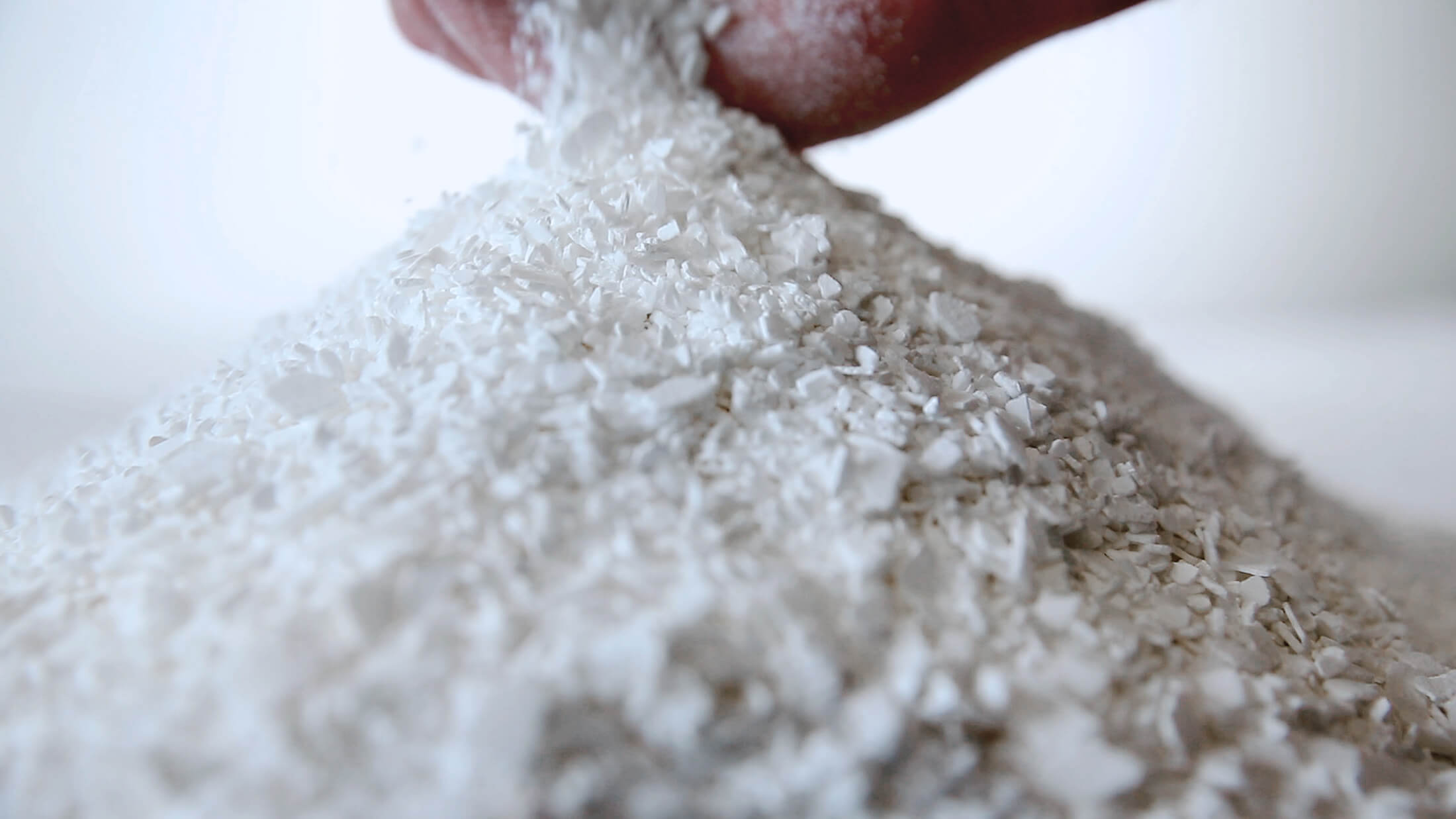
Calcium chloride is a highly hygroscopic salt that effectively absorbs moisture. You can create a simple dehumidifier with calcium chloride:
- Measure out 300 g of calcium chloride and place it in a sock.
- Tie the sock securely.
- Hang it over a container to collect the drained moisture.
- Empty the container regularly and replace the sock as needed.
4. Quicklime Moisture Absorber
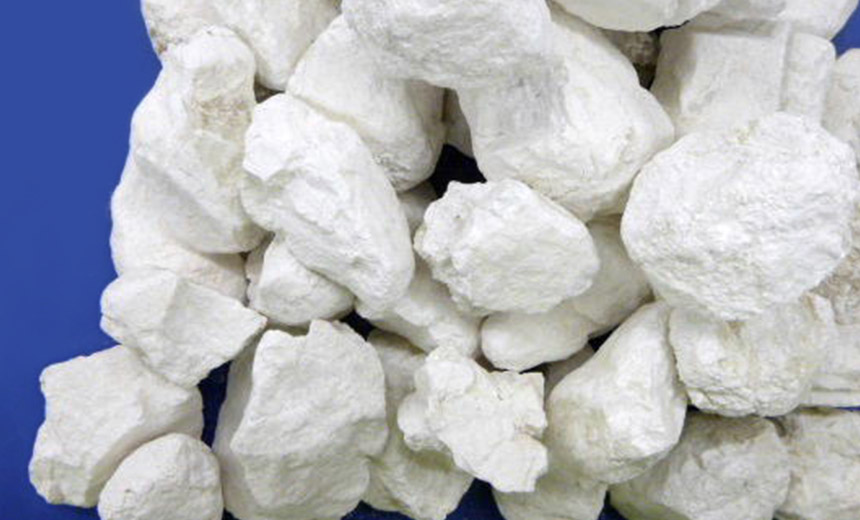
Quicklime can also be used to make a moisture absorber, especially suitable for larger rooms: