
- Fill half a bucket with quicklime.
- Cover it with a lid that has holes drilled to allow moisture absorption.
- Place the bucket in the room, and it will help reduce humidity levels.
5. Clay Moisture Absorber
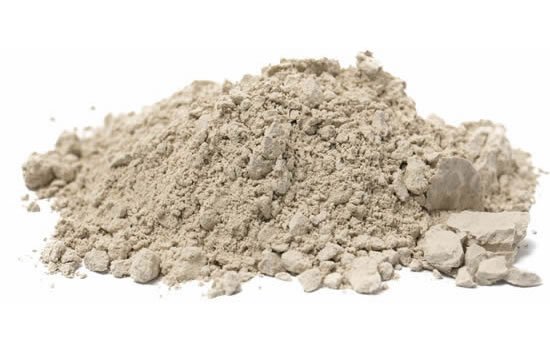
Natural clay is effective at absorbing excess humidity. You can create a clay moisture absorber with the following steps:
- Take a large 5-liter plastic jug (similar to those used for mineral water).
- Cut the jug into two unequal parts to create a funnel.
- Fill the top part with crushed natural clay and cover it with an old cotton cloth.
- As the clay absorbs moisture, it will drain into the bottom part of the jug.
- Regularly empty the water collected in the bottom part.
Additional Tips to Reduce Humidity
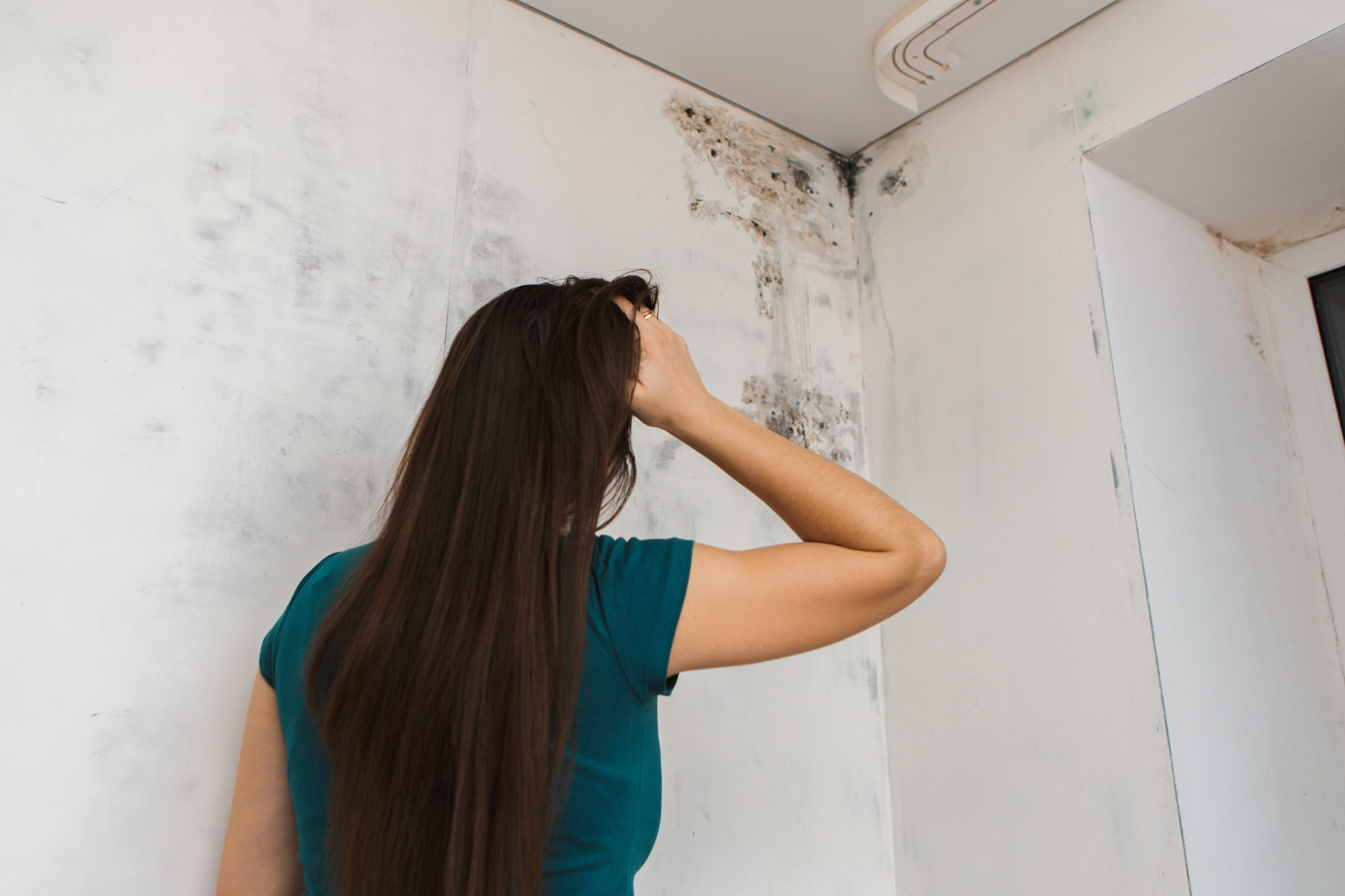
In addition to using moisture absorbers, you can adopt some daily habits to manage humidity in your home:
- Air out your home for 5 to 10 minutes each day.
- Ensure your ventilation system is functioning correctly, and clean or replace air grilles as needed.
- Use an extractor hood while cooking.
- If your bathroom lacks proper ventilation, consider alternative methods like the ones mentioned in our article on how to ventilate a bathroom without a VMC or window.
- After showering, open windows or use exhaust fans to ventilate the bathroom.
- Whenever possible, dry your laundry outdoors or ensure adequate room ventilation while drying indoors.
By implementing these DIY moisture absorbers and adopting good habits, you can effectively reduce excess humidity in your home and create a more comfortable living environment.