
1. Grease your baking dish to prevent eggs from sticking. Use a bit of butter, oil, or cooking spray before starting.
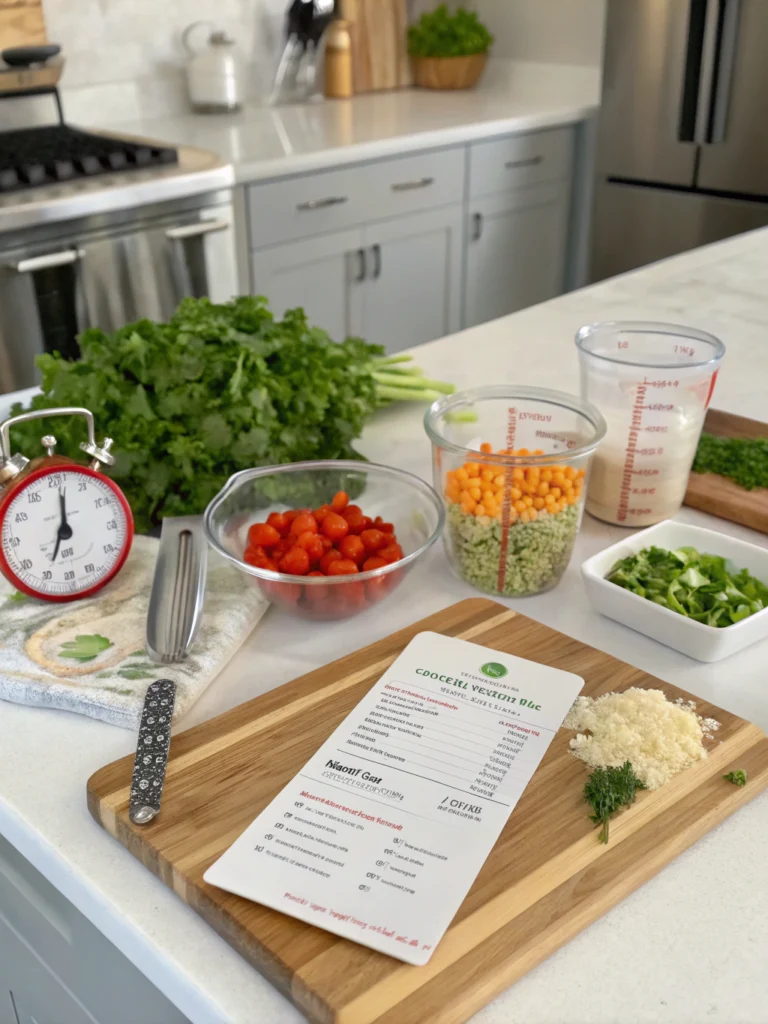
2. Prep your vegetables all at once to save time.
3. Pre-bake root vegetables like potatoes or sweet potatoes to ensure tenderness.
4. Saute onions and garlic briefly for enhanced flavor and texture.
5. Avoid over-baking; the casserole is done when the top sets but the center still jiggles slightly.
6. If meal prepping, let it cool to room temperature before refrigerating, covering with aluminum foil or a lid for storage, which keeps well for up to 5 days.
Serving Ideas for Breakfast Casserole with Sweet Potatoes
Although designed with breakfast in mind, this sweet potato breakfast casserole adapts seamlessly to lunch or dinner. Enjoy it on its own or alongside a side salad for a light and satisfying meal. Once baked, the casserole remains fresh in the fridge for up to a week and can be reheated or enjoyed cold as a straightforward main course or hearty snack.
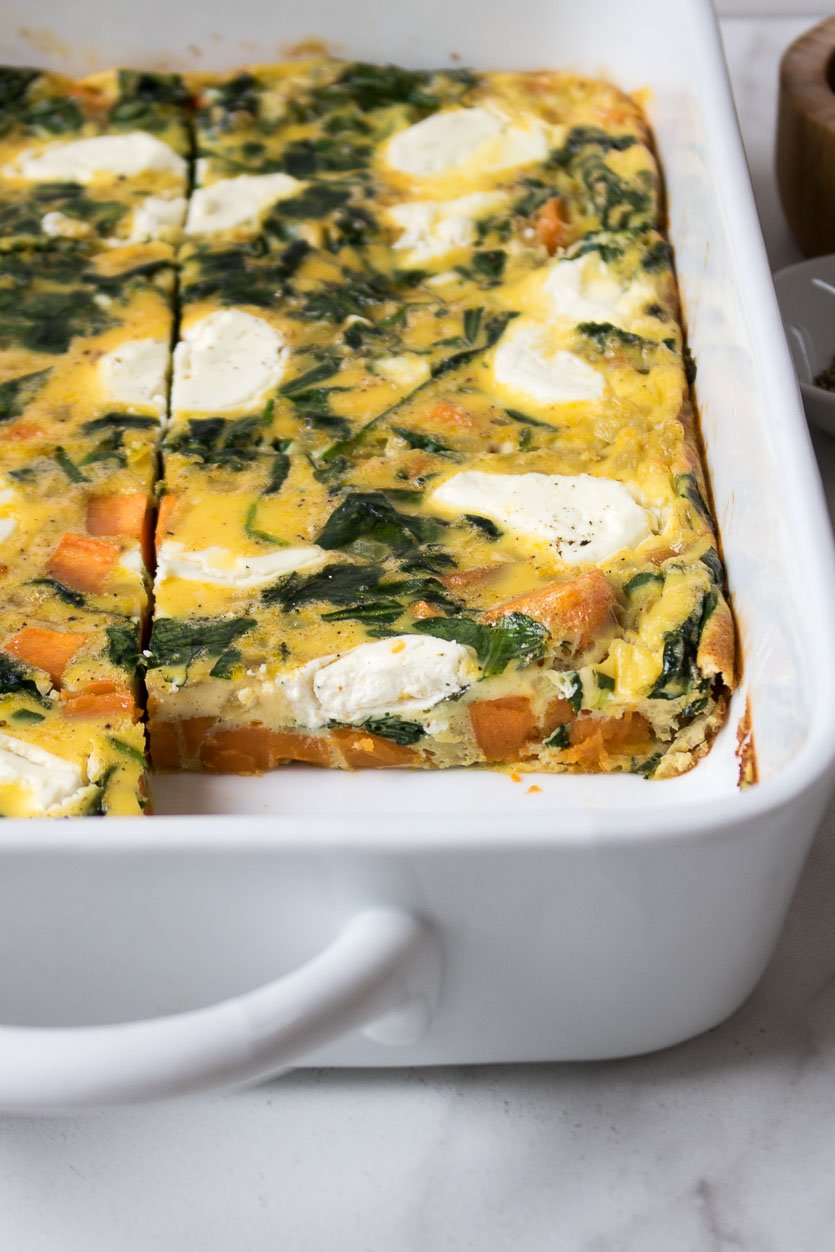
Can You Enjoy Egg Casserole Cold?
Absolutely! Similar to quiche or crustless quiche, egg casserole is delicious both hot and cold. Whether enjoyed alone or with a side salad, a slice of chilled egg casserole makes for a satisfying meal anytime during the day.
Can You Freeze Egg Casserole?
Certainly! Whether planning ahead for a weekend brunch, preparing weekday breakfasts, or storing leftovers, egg casserole freezes well. Store it in an airtight container in the freezer for up to 3 months. If you lack an airtight container, cover the casserole dish with plastic wrap and aluminum foil, then place it in a plastic bag before freezing.
How to Reheat Frozen Egg Casserole?
To reheat, it’s best to thaw the casserole and then bake it in the oven at 350°F for 10-15 minutes. If reheating from frozen, you can bake the entire casserole covered at 350°F for 40-60 minutes or 20 minutes for a single slice. Microwave reheating is an option but may affect the texture, potentially resulting in rubbery eggs. If using a microwave, reheat in 30-second increments to prevent overcooking.