

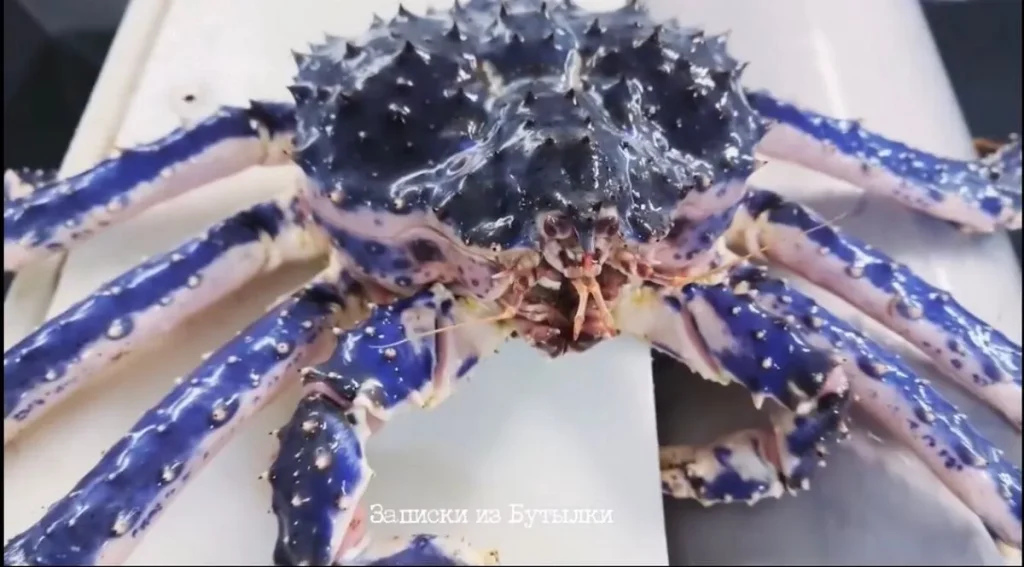
Roman Fedortsov’s deep-sea fishing expeditions have yielded a plethora of bizarre and fascinating creatures. In addition to the recent “alien from the depths,” the fisherman, who also catches cod, haddock, and mackerel, has previously discovered a fish wearing lipstick, one with “cheeseburger” teeth, and another that resembled a baby dragon. These unusual finds have garnered significant attention on social media, showcasing the incredible diversity of life that exists in the deep ocean.
The challenges of identifying deep-sea creatures are well-known among experts, as many species have unique adaptations and have been subject to limited research. A recent case involving the “Salish sea monster,” discovered by Eric Evans near the Elwah River in Washington state, USA, highlights this difficulty. Despite consulting with wildlife experts and former colleagues at the Olympic Coast National Marine Sanctuary, Evans was unable to obtain a clear consensus on the creature’s identity. The Washington Department of Fish and Wildlife concluded that the remains were too decomposed to identify, while Casey Cook, director of the Marine Life Center at Bellingham, noted that some parts of the body were characteristic of the shark family, while others were more typical of a seal or whale.

The deep sea remains one of the least explored and understood environments on Earth, with estimates suggesting that up to two-thirds of marine species are yet to be discovered. The creatures that inhabit these extreme depths have evolved unique adaptations to survive in the cold, dark, and high-pressure conditions, often resulting in bizarre and alien-like appearances. Studying these deep-sea organisms is crucial for understanding marine ecosystems, as they play vital roles in nutrient cycling, carbon sequestration, and the overall health of our oceans. Moreover, the deep sea holds the potential for groundbreaking scientific discoveries, including new species, novel biomolecules, and insights into the origins of life on Earth.
Fishermen like Roman Fedortsov play a significant role in contributing to our knowledge of deep-sea creatures. By sharing their discoveries on social media platforms, they help raise awareness about the incredible diversity of marine life and spark public interest in the mysteries of the deep ocean. This increased awareness can lead to greater support for marine conservation efforts and scientific research, as people become more invested in protecting the fascinating and often bizarre creatures that inhabit the depths.