
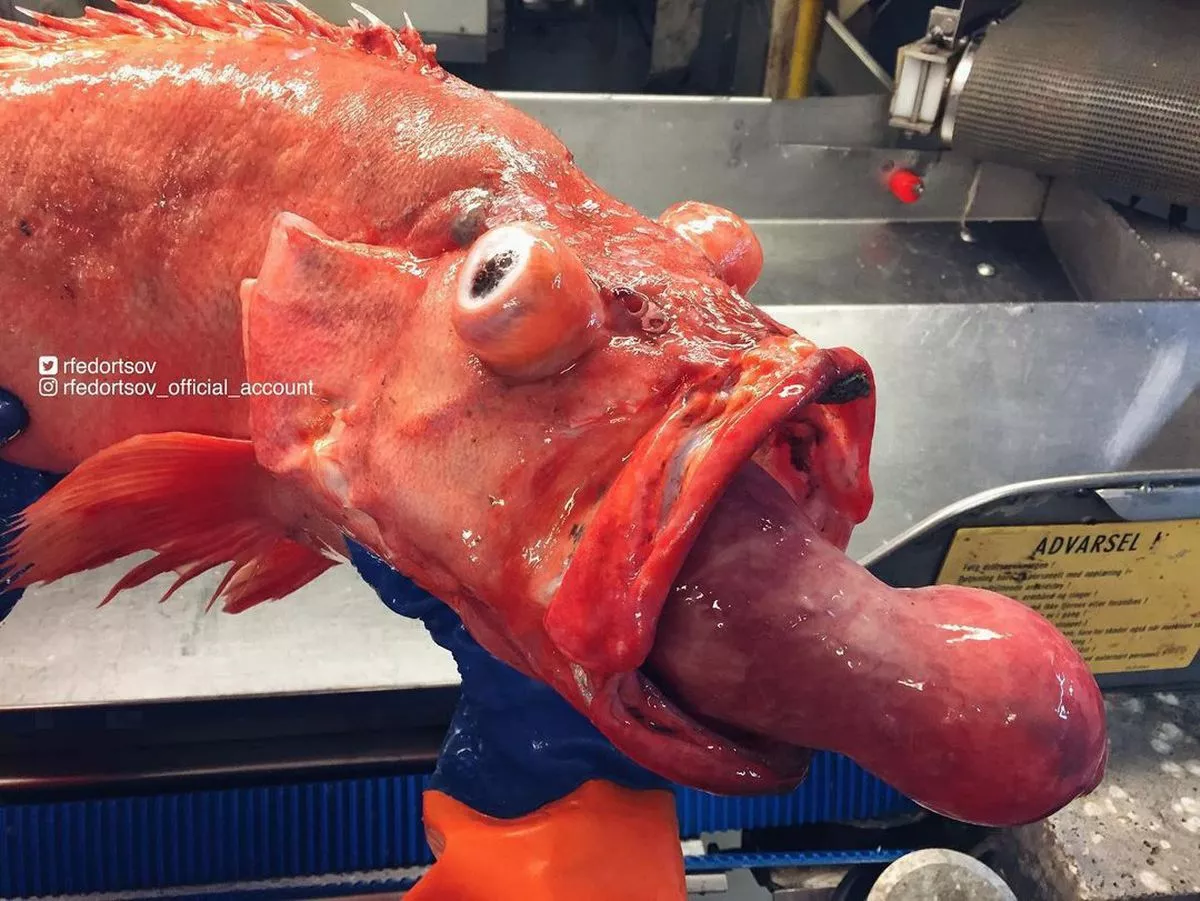
The impact of social media on marine life awareness cannot be overstated. Platforms like those used by Roman Fedortsov allow people from all walks of life to engage with the wonders of the deep sea, fostering a sense of connection and curiosity about these little-known ecosystems. As more people become aware of the incredible diversity of life in the deep ocean, there is a growing potential for increased public interest in marine conservation and research. This heightened awareness can translate into greater support for policies and initiatives aimed at protecting deep-sea habitats and the creatures that call them home.
Advancements in technology are paving the way for future deep-sea exploration and research. Innovations in robotics, sensors, and imaging systems are allowing scientists to probe the depths like never before, revealing new insights into the structure and function of deep-sea ecosystems. Autonomous underwater vehicles (AUVs) and remotely operated vehicles (ROVs) equipped with high-resolution cameras and sampling tools are enabling researchers to collect data and specimens from previously inaccessible regions of the deep ocean. Additionally, the development of new genetic sequencing techniques is facilitating the identification and study of deep-sea organisms, even from small tissue samples. As these technologies continue to evolve, our understanding of the deep sea and its inhabitants will undoubtedly grow, leading to new discoveries and a greater appreciation for the importance of these hidden realms.
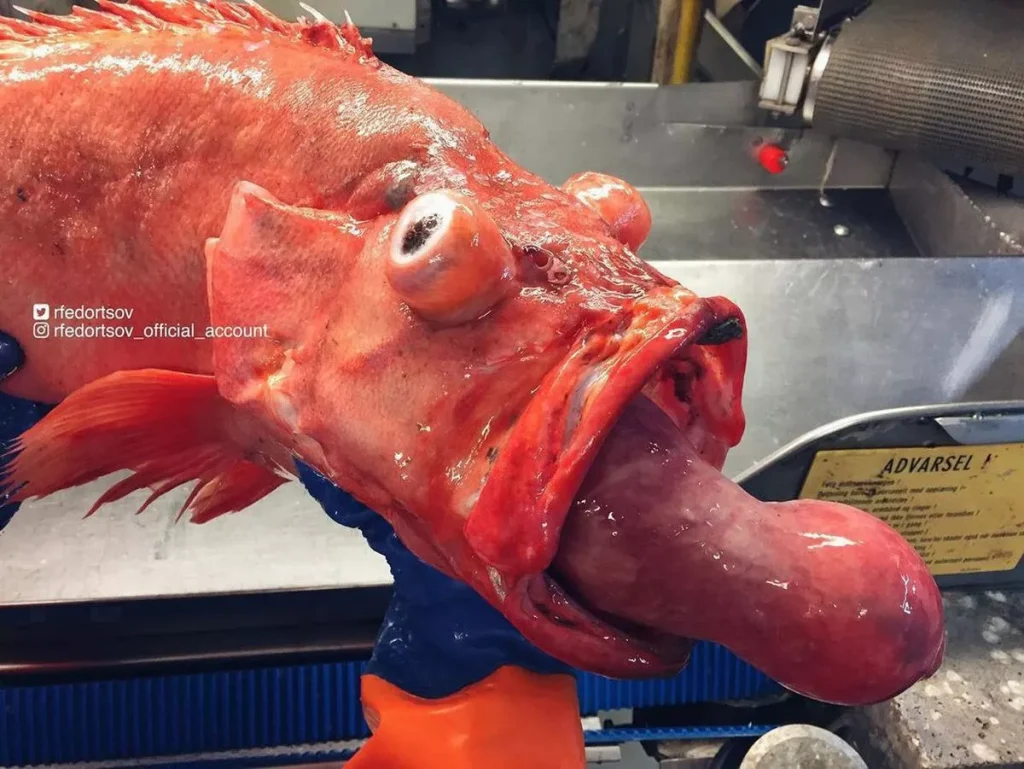
However, deep-sea exploration and research are not without their challenges. The extreme conditions of the deep ocean, including high pressure, low temperatures, and the absence of sunlight, make it difficult and expensive to conduct studies in these environments. Moreover, the vastness of the deep sea means that much of it remains unexplored, with many species and ecosystems yet to be discovered. To overcome these challenges, international collaboration and funding for marine research are essential. By pooling resources and expertise, scientists from around the world can work together to unravel the mysteries of the deep sea and develop strategies for conserving its unique biodiversity.