
Pruning
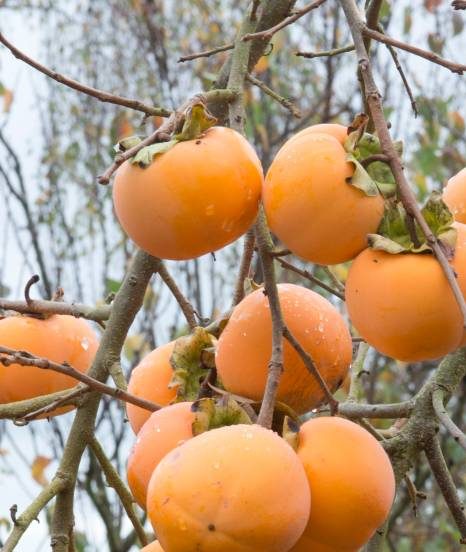
Proper persimmon pruning should be done sparingly, leaving an adequate number of floral buds on the branches. It’s also essential to thin out overly dense branches to prevent premature fruit drop due to a lack of light in the foliage, which can encourage the presence of scale insects. It’s recommended to thin the branches toward the end of winter and maintain an adequate distance between them.
Diseases and Pests
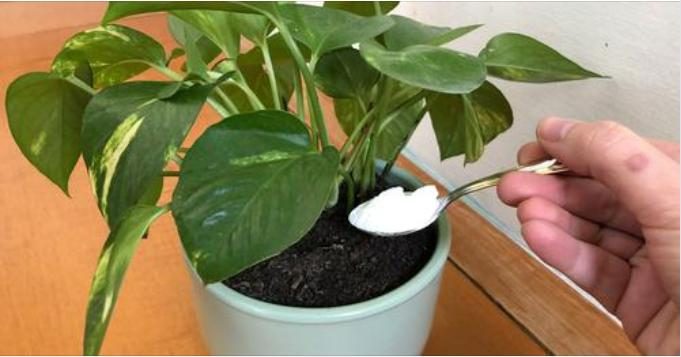
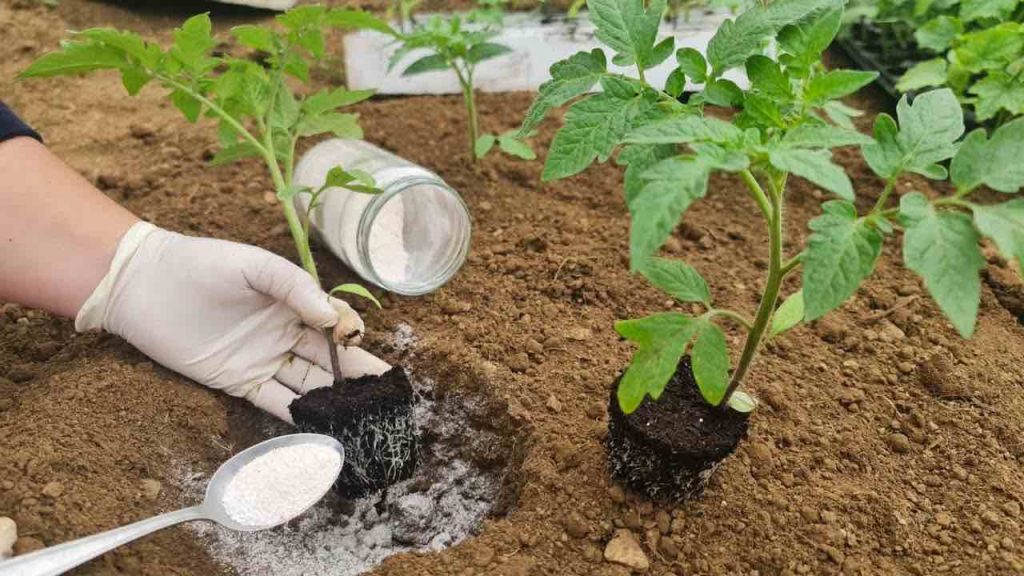
Persimmons are susceptible to various diseases and pest attacks. To combat powdery mildew or white mildew, baking soda dissolved in water is usually used, while copper is employed to prevent gray mold. Signs of infestation by the sesia, a moth whose larvae tunnel into the plant’s bark, include yellowing and wilting. It’s also important to prevent the presence of fruit flies (Ceratitis capitata) by never leaving the fruits on the plant after ripening. Finally, scale insects can be treated by spraying fern macerates on the plant or using mineral oils.