
Upon learning about Bifford’s history, Suzi understood his unease. Bifford and his littermates were born with cerebellar hypoplasia on October 9, 2011, a non-progressive neurological condition affecting balance and coordination. Suzi explains that this condition can occur due to a pregnant queen receiving a ‘modified live virus’ vaccine for feline distemper (FVRCP) or if the mother experiences trauma, malnutrition, or panleukopenia (a contagious viral disease).
Tragically, when Bifford was just nine days old, his biological mother rejected him, and he was nurtured by a compassionate individual who bottle-fed him. Because of his lack of coordination, this caregiver assisted the wobbly kitten with litter box use and cleaning. However, eventually, she surrendered Bifford to the shelter, believing he needed round-the-clock care to survive.
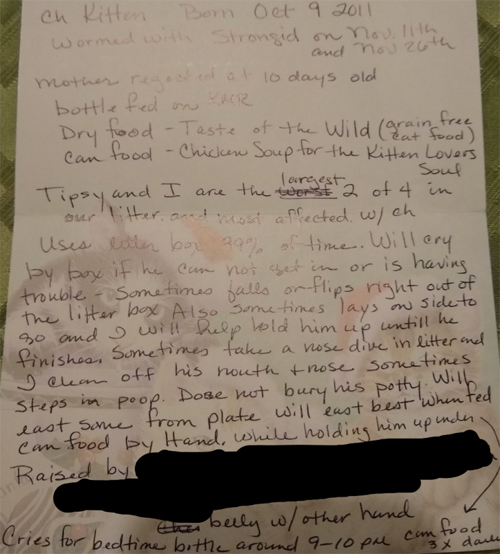
Bifford found adoptive homes, but he was returned to the shelter by his first family when they went on vacation. His second family was dissatisfied because he could use the litter box independently but didn’t cover his mess, leading to his return to the shelter once more. Finally, he was adopted by yet another family but not before enduring a horrific act of cruelty.
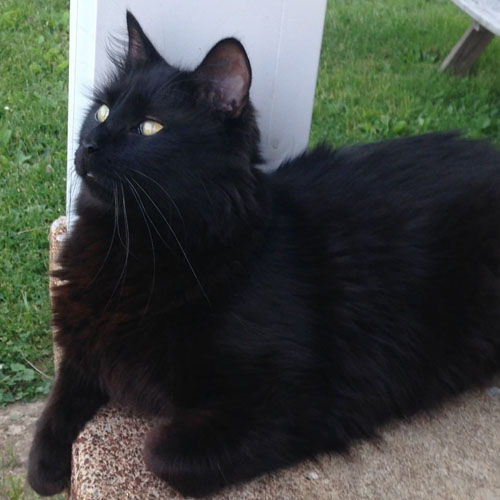
These ‘owners’ attempted to confine Bifford in an empty hot tub, claiming they wanted him to ‘die with dignity’ and to ‘contain the mess.’ Suzi painfully recalls the moments when Bifford patiently waited for his ‘family’ to return, slowly losing hope with each passing minute.