
Thankfully, finding fermented and probiotic foods is more straightforward than you might think. Many traditionally fermented foods continue to populate our grocery store shelves today.
List of Probiotic Foods
Here’s a list of probiotic foods that are both beneficial and readily available.
1. Yogurt
Yogurt is one of the most common and popular probiotic foods. Commercial yogurt is produced by adding two bacterial strains, Streptococcus thermophilus and Lactobacillus bulgaricus, to milk, which thickens the milk through the lactic acid produced by the bacteria. However, these bacteria strains, while forms of bacteria, do not offer the same health benefits as live probiotics. Unfortunately, not all yogurt in grocery stores is traditionally fermented. Therefore, when selecting yogurt, be sure to read the label and opt for yogurt containing ‘live active cultures’ or ‘live bacterial cultures’ to ensure you’re getting genuine probiotic-rich food.
2. Kefir
Similar to yogurt, kefir is a fermented milk drink made from kefir grains, a specific type of mesophilic symbiotic culture. Kefir has a tangy, thick, creamy consistency, similar to drinkable yogurt, and can be crafted from cow’s or goat’s milk. Kefir boasts a diverse array of microorganisms and their interactions, making it a natural source of probiotics. (3)
3. Sauerkraut
Sauerkraut is created through a process called lacto-fermentation, involving finely shredded cabbage. Unpasteurized sauerkraut is rich in Lactobacillus bacteria, as well as fiber, vitamins C, B, and K. (4) A staple in German cuisine, sauerkraut is often used as a side dish or topping for meat and sausages. To enjoy probiotic benefits, make sure to select unpasteurized sauerkraut, as pasteurization kills the live and active bacteria.
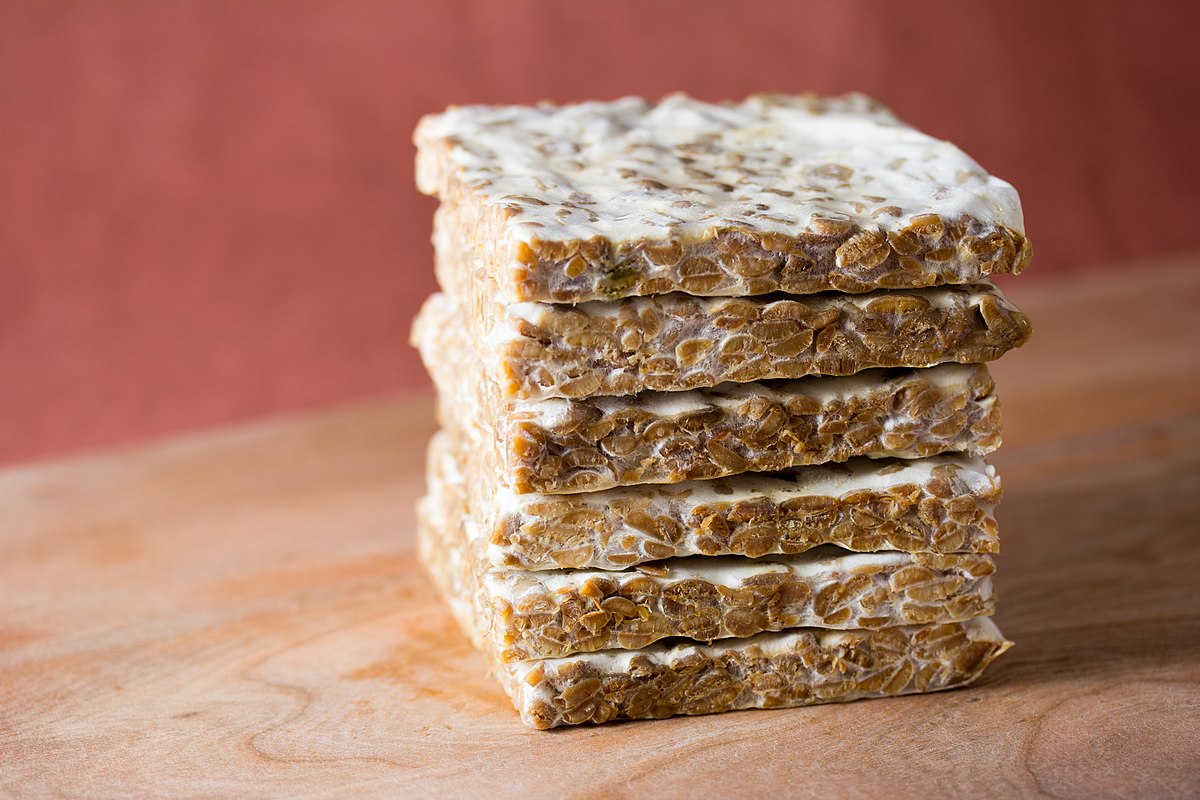
4. Tempeh