
Tempeh, similar to tofu, is a fermented soybean product. The fermentation process yields firm, dense patties with a nutty and earthy paste known as tempeh. This fermentation not only results in a probiotic-rich food but also reduces the phytic acid content in soybeans, potentially improving mineral absorption. (5) Tempeh is also an excellent source of vegetarian protein, making it a suitable meat substitute in plant-based meals.
5. Kimchi
Kimchi is a staple in Korean cuisine, consisting of salted, fermented cabbage mixed with seasonings, including radishes, gochugaru, spring onions, garlic, ginger, and jeotga, among others. There are numerous kimchi varieties, all typically fermented for a few days to a few weeks before serving. The lacto-fermentation process employs Lactobacillus bacteria to convert sugars into lactic acid, giving kimchi its characteristic sour taste.
6. Pickles
Pickles rank among the top probiotic foods, but not all pickles undergo fermentation. To benefit from probiotic bacteria, it’s crucial to opt for naturally fermented pickles, where vinegar is not used in the pickling process. Instead, a salt and water solution nourishes the growth of beneficial bacteria. Shelf-stable products indicate that pickles were merely pickled and not fermented, as pasteurization during shelf-stabilization neutralizes probiotic bacteria.
7. Traditional Buttermilk
Traditional buttermilk is the fermented liquid remaining after butter churning and is a probiotic source. It has a tart, tangy flavor akin to a yogurt-based drink, containing live cultures of lactic acid bacteria. Unfortunately, the buttermilk commonly found in American supermarkets, known as cultured buttermilk, typically lacks probiotic benefits.
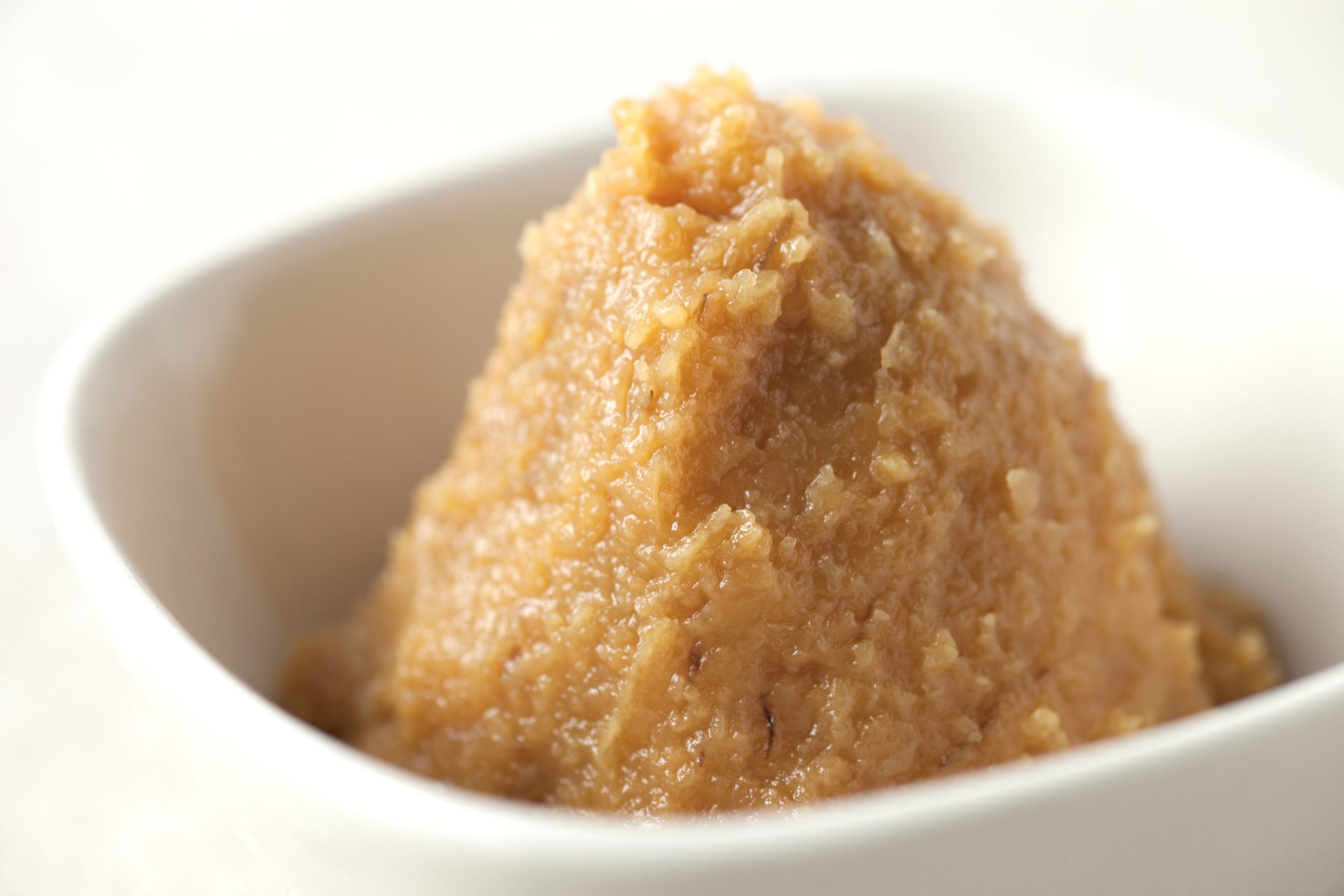
8. Miso