

As medical professionals delved deeper into the man’s condition, initial blood tests revealed that his kidneys had suffered damage, and his blood platelet count was dangerously low. Platelets play a crucial role in the body’s ability to form clots and prevent excessive bleeding. The man’s deteriorating health prompted doctors to admit him to the intensive care unit, where he was diagnosed with multi-organ dysfunction and sepsis, a life-threatening condition in which an infection triggers an overwhelming immune response.
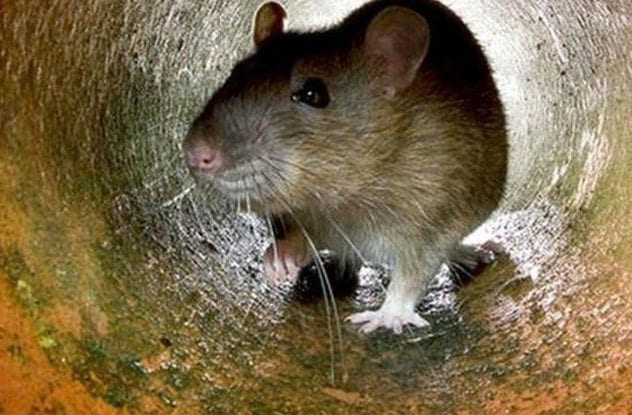
After conducting thorough blood and urine tests, doctors finally identified the culprit behind the man’s severe illness: leptospirosis, an infectious disease believed to have been transmitted by the rat bite. Leptospirosis is a bacterial infection that can cause a wide range of symptoms and can lead to severe complications if left untreated. Armed with this knowledge, the medical team promptly administered antibiotics and provided supportive care to address the man’s kidney damage and low platelet levels. Thanks to the timely intervention and appropriate treatment, the man’s condition gradually improved, and he was eventually discharged from the intensive care unit.
Leptospirosis is a zoonotic disease, meaning it can be transmitted from animals to humans. The disease is typically contracted through contact with the urine of infected animals or exposure to contaminated soil or water. While leptospirosis is commonly associated with farm animals such as cattle, pigs, and horses, it can also be spread by dogs, raccoons, and, as seen in this case, rats. The bacteria responsible for leptospirosis can enter the body through various routes, including the eyes, nose, mouth, or broken skin. Drinking contaminated water can also lead to infection, making it crucial to be aware of potential sources of contamination.
Individuals who contract leptospirosis often experience a range of symptoms, including fever, headache, and muscle pain. As the infection progresses, some may develop additional symptoms such as vomiting, diarrhea, abdominal pain, and a skin rash. While most cases of leptospirosis can be effectively treated with antibiotics, approximately 10% of infected individuals may develop severe complications. These severe cases can lead to multi-organ dysfunction, a life-threatening condition that requires immediate medical attention and intensive care.
To prevent leptospirosis, it is essential to take precautions when interacting with animals and their environments. Avoiding contact with potentially infected animals and their urine is crucial. Maintaining a clean and rat-free living space is also important in reducing the risk of exposure. If an animal bite or scratch occurs, it is vital to clean the wound thoroughly and seek medical attention promptly. Taking these preventive measures can significantly reduce the chances of contracting leptospirosis and other zoonotic diseases.