
To solve this brainteaser and others like it, the key is to approach the image methodically. Start by carefully scanning the picture from left to right, then top to bottom, paying close attention to every detail. Look for anything that seems out of place or doesn’t quite belong. Remember, the game controller may be partially obscured or blending in with its surroundings, so keep your eyes peeled for any telltale signs of its presence.
So, did you manage to find the hidden game controller within the 14-second time limit? If not, don’t worry – you’re not alone. Locating the controller in this busy scene is no easy feat, even for those with the sharpest eyes. Take another moment to scan the image carefully, and if you’re still stumped, we’ll reveal the answer in just a bit.
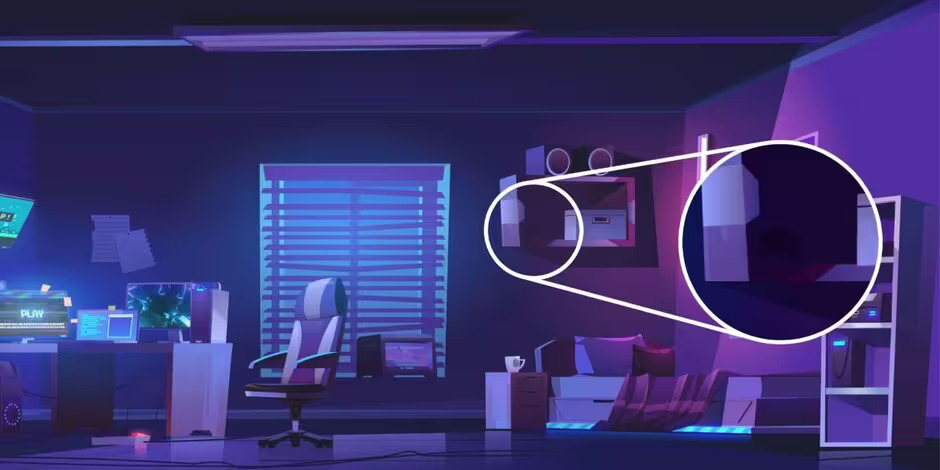
If you struggled to find the game controller, don’t be discouraged. The answer lies in the image above, where the controller’s location is clearly circled. It was cleverly hidden on the bookcase, blending in with the various items scattered throughout the room. Brainteasers like this one are not only entertaining but also serve an important purpose in keeping our minds sharp and alert.
Just as physical exercise helps keep our bodies in shape, engaging in mental exercises like brainteasers can contribute to better neurological health. By challenging our brains with puzzles and problems, we give our minds a workout, potentially reducing the risk of developing cognitive issues later in life. While brainteasers alone may not prevent conditions like dementia, they can play a role in maintaining overall brain health when combined with other factors such as a healthy lifestyle.
In fact, a recent study conducted in Australia shed light on the potential benefits of engaging in mentally stimulating activities. The research, published last year, found that individuals who regularly participated in literacy-related activities, such as writing letters or using a computer, had an 11 percent lower risk of developing dementia over a 10-year period. The team from Monash University, Melbourne, stated, “These results suggest that engagement in adult literacy, creative art, and active and passive mental activities may help reduce dementia risk in late life.”