

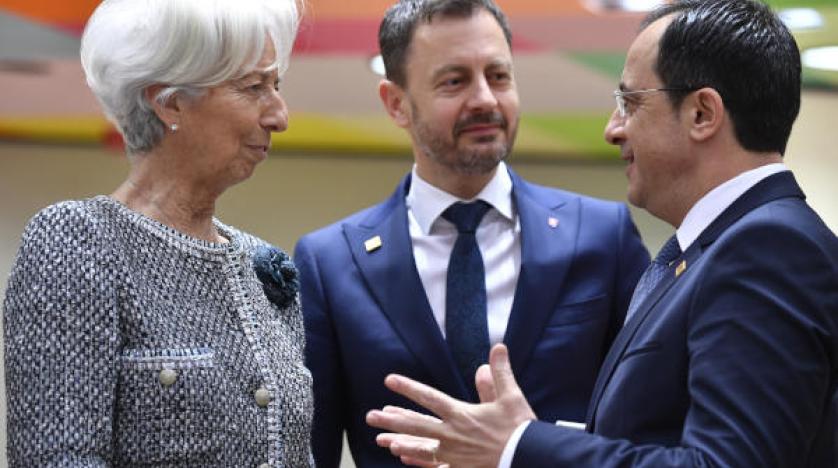
On Friday, European Union leaders met to assess the potential for a banking crisis resulting from recent global financial turbulence, which could have a greater impact on the economy than the energy crisis that is linked to Russia’s war in Ukraine. The discussions in Brussels followed the closure of two US banks by regulators and the acquisition of troubled lender Credit Suisse by rival UBS, orchestrated by Switzerland. These events have reignited memories of the 2008 global financial meltdown and the EU sovereign debt crisis that nearly led to the collapse of the euro currency, now shared by 20 European countries.
Belgian Prime Minister Alexander De Croo commented that, for now, there is no reason to worry. However, the European economy has been in decline since Russia invaded Ukraine 13 months ago, leading to the EU teetering on the brink of recession. The war has fuelled inflation by reducing supplies of Russian oil, natural gas, and coal, as well as lowering consumer and business confidence. The European Commission expects economic growth in the 27-nation bloc to decline to 0.8% this year from 3.5% in 2022 and 5.4% in 2021. A projected rebound in growth to 1.6% next year is contingent on a stable banking sector that can lend to businesses and consumers while protecting deposits.
The EU has bolstered its regulation of financial institutions since the euro debt crisis, and so far, there are few signs of a broader contagion in Europe from Credit Suisse’s dramatic rescue. However, financial supervision in Europe remains a patchwork of EU and national authorities, with no single European rulebook. For instance, the euro area lacks a common deposit insurance system, which is considered a key defence against future European bank crises. The absence of this regulatory pillar results from a deadlock among national capitals over how to share the risk.