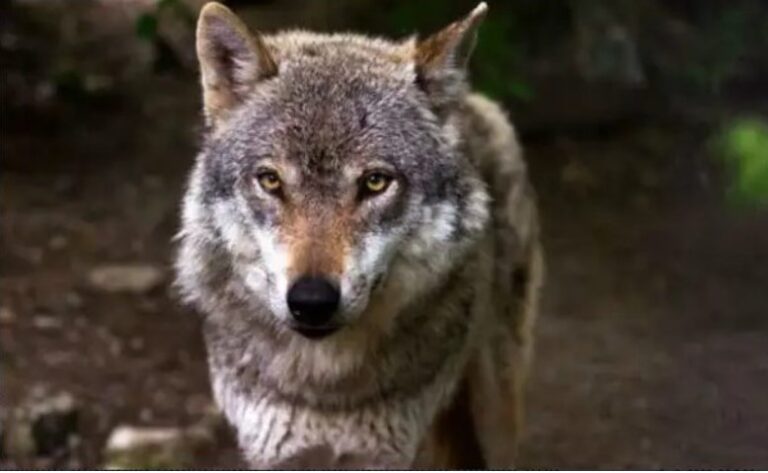

Given the unusual nature of the interaction, some have suggested that the animal in the video might not be a dog at all, but rather a wolf. There have been documented instances of bears and wolves hunting together in the wild, such as the case of a wild bear and wolf photographed collaborating in Finland. However, without further information, it is difficult to confirm the true identity of the animal in the video.

The drone footage of the dog and bears was distributed by Ruptly, Russia’s state news agency. Despite the video’s viral spread, there is limited additional information available about the incident beyond what can be observed in the footage itself. The lack of context and verified details surrounding the video has led to speculation and varying interpretations of the animals’ behavior and relationship.
This is not the first time that videos of unusual animal friendships have captured the public’s attention. In a previous incident, a controversial video surfaced showing a polar bear petting a Canadian Eskimo dog in Churchill, Canada. The story behind that video, which can be explored further in a separate article, also sparked discussions about the nature of interactions between wild animals and domesticated dogs.
The fascination with unlikely animal friendships and interactions is a common theme on social media platforms. Videos showcasing such encounters often go viral, as people are drawn to the idea of different species forming unexpected connections. The reasons behind this fascination are varied, ranging from a desire to anthropomorphize animal behavior to a genuine interest in the complexities of interspecies relationships. Regardless of the underlying motives, these videos continue to captivate audiences worldwide.
However, it is crucial to approach viral content shared on social media with a critical eye and to prioritize fact-checking and verification. In the case of the dog and bears video, the initial false narrative of the lost dog being found by its owner using a drone highlights the importance of seeking reliable sources and questioning the authenticity of stories shared online. As social media continues to be a primary source of information for many people, it is essential to promote media literacy and encourage readers to verify claims before accepting them as truth.