
Obsessive-compulsive disorders in cats manifest as repetitive, compulsive behaviors, often referred to as stereotypies. These include excessive licking, also known as compulsive grooming, constant meowing for no apparent reason, intense hunting or playing behaviors, and even random licking of objects (similar to pica syndrome).
Too much licking or biting can lead to skin wounds or alopecia (hair loss), sometimes requiring veterinary care to prevent skin infections and complications.
Causes of mental disorders in cats:
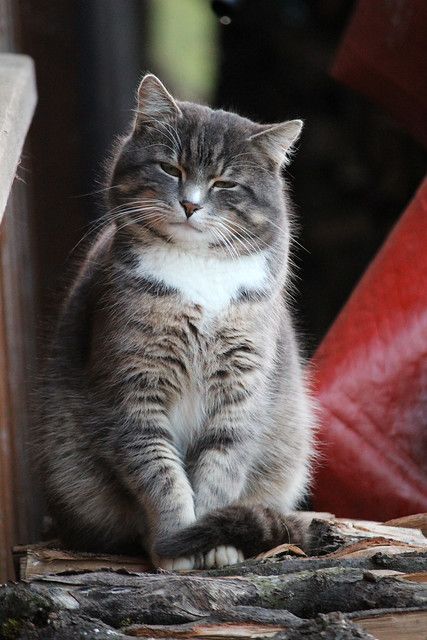
There are a variety of reasons for mental disorders in cats. Environmental factors play a significant role in their psychological well-being. Significant changes in their routine, such as the arrival of a baby or a new pet, can be a source of stress. In addition, a noisy or chaotic environment increases the risk of mental disorders. In fact, cats living in crowded spaces such as apartments or houses are also more likely to show signs of anxiety, OCD or depression.
There are also genetic factors to consider. Certain breeds of cat, such as Siamese, Abyssinians and Sacred Burmese, appear to be predisposed to certain mental disorders. Studies have shown that these breeds are more prone to compulsive grooming.