
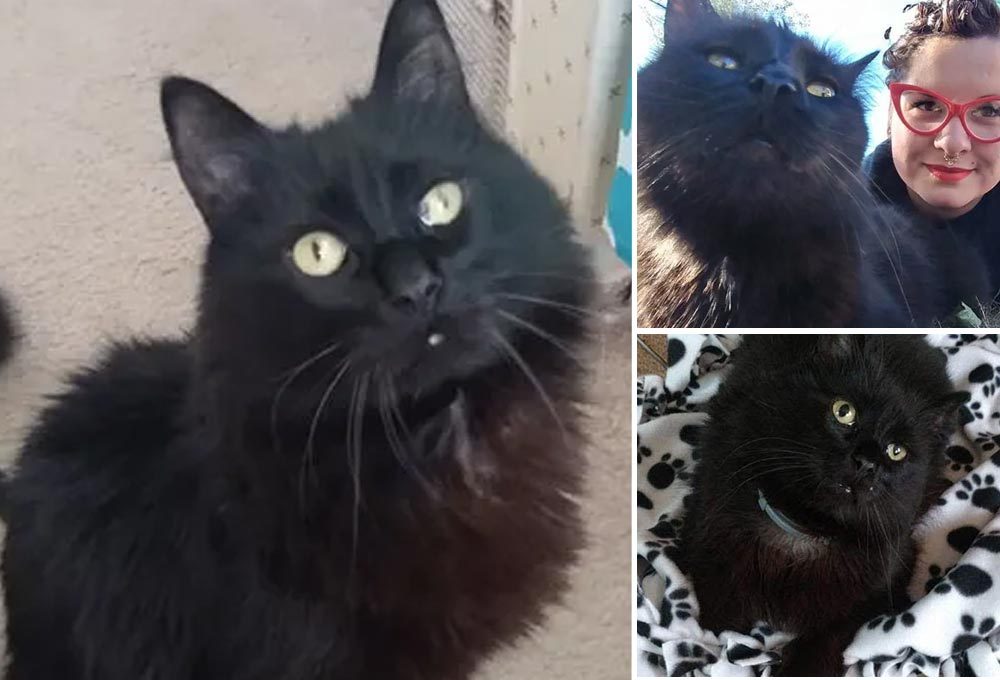
When Suzi Langer was approached to foster Bifford, a cat afflicted with cerebellar hypoplasia (CH), by the local animal shelter in Youngstown, Ohio, she found herself in uncharted territory. Having no prior experience caring for animals with special needs, Suzi initially hesitated. However, witnessing Bifford’s struggles at the shelter, she ultimately agreed to provide him with a foster home.
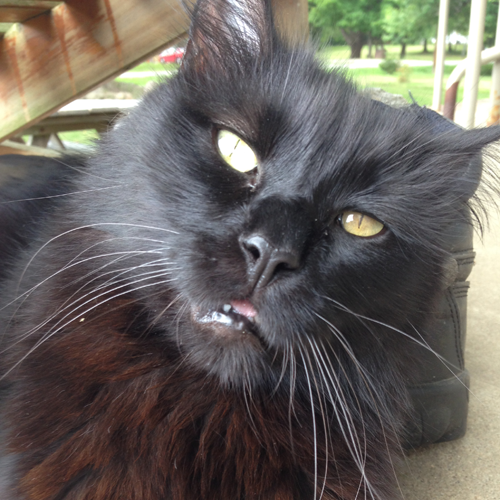
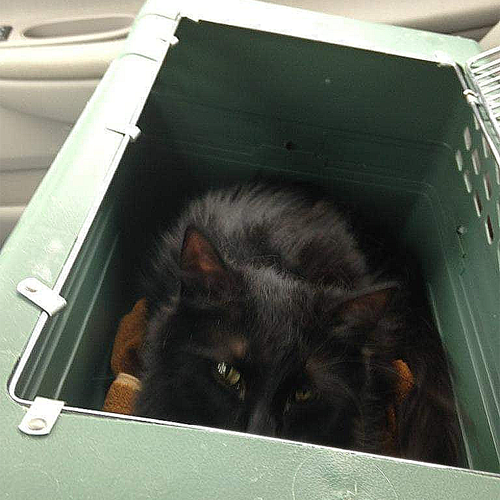
She vividly remembers Bifford’s sorry state at the shelter – bullied, lethargic, and refusing to eat. She decided to rescue him in early 2014. As she opened the worn green carrier, she was met with warm golden eyes staring back at her. Bifford sat there, quietly adopting a posture that Suzi fondly calls the ‘turkey stance,’ seemingly overwhelmed by his changing circumstances.
Upon learning about Bifford’s history, Suzi understood his unease. Bifford and his littermates were born with cerebellar hypoplasia on October 9, 2011, a non-progressive neurological condition affecting balance and coordination. Suzi explains that this condition can occur due to a pregnant queen receiving a ‘modified live virus’ vaccine for feline distemper (FVRCP) or if the mother experiences trauma, malnutrition, or panleukopenia (a contagious viral disease).
Tragically, when Bifford was just nine days old, his biological mother rejected him, and he was nurtured by a compassionate individual who bottle-fed him. Because of his lack of coordination, this caregiver assisted the wobbly kitten with litter box use and cleaning. However, eventually, she surrendered Bifford to the shelter, believing he needed round-the-clock care to survive.
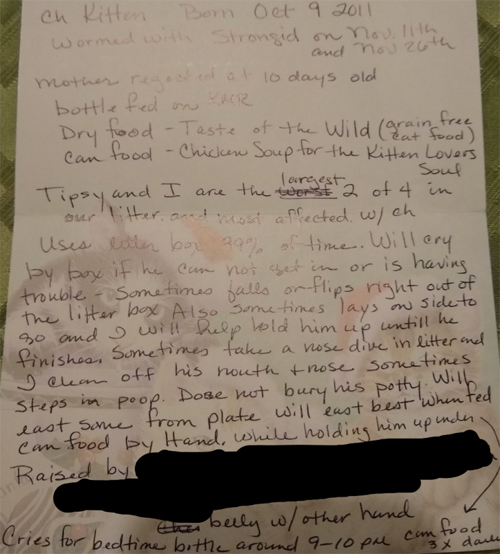
Bifford found adoptive homes, but he was returned to the shelter by his first family when they went on vacation. His second family was dissatisfied because he could use the litter box independently but didn’t cover his mess, leading to his return to the shelter once more. Finally, he was adopted by yet another family but not before enduring a horrific act of cruelty.
These ‘owners’ attempted to confine Bifford in an empty hot tub, claiming they wanted him to ‘die with dignity’ and to ‘contain the mess.’ Suzi painfully recalls the moments when Bifford patiently waited for his ‘family’ to return, slowly losing hope with each passing minute.
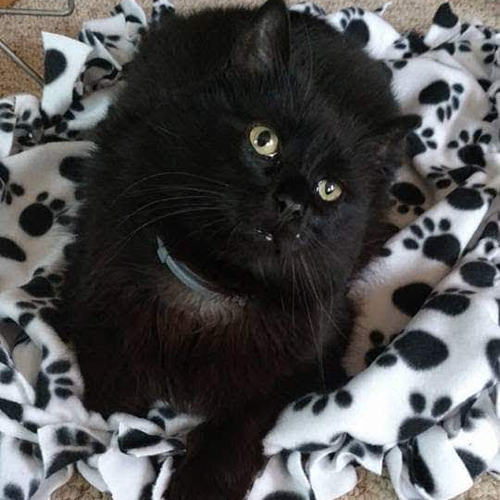
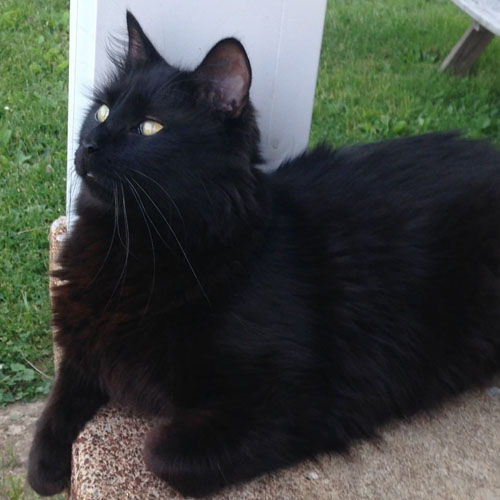
Fortunately, on May 9, 2014, Suzi brought Bifford home and fell head over heels for this special needs cat. She and her husband decided to adopt him. Bifford, clumsy yet affectionate, became an integral part of their lives, embracing the ‘clingy’ lifestyle attached to his loving family. Suzi knew that being an adult black cat with special needs would make it challenging for Bifford to find a forever home, but she was confident they could provide him with the care, time, and attention he needed to thrive.
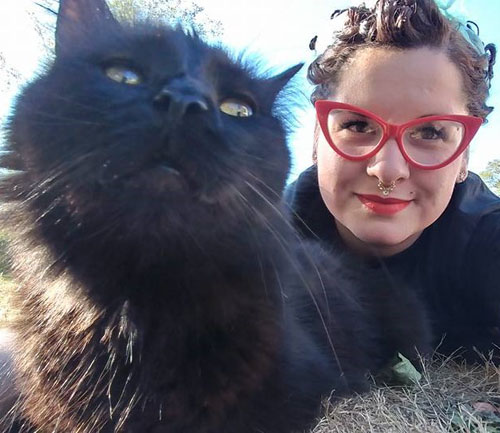
Initially, Suzi found it challenging to resist the urge to coddle Bifford, given his balance and coordination issues due to cerebellar hypoplasia. However, she gradually realized that Bifford was unlikely to hurt himself and didn’t require constant protection. She learned that, like toddlers, it was acceptable to let him stumble and fall, as long as she was there to offer support and encouragement for him to get back up and continue.
Nearly seven years later, Bifford is thriving, despite his wobbles while walking. He’s exuberant and content, surprisingly self-reliant, which Suzi attributes to her less ‘helicopter’ approach to his condition.